

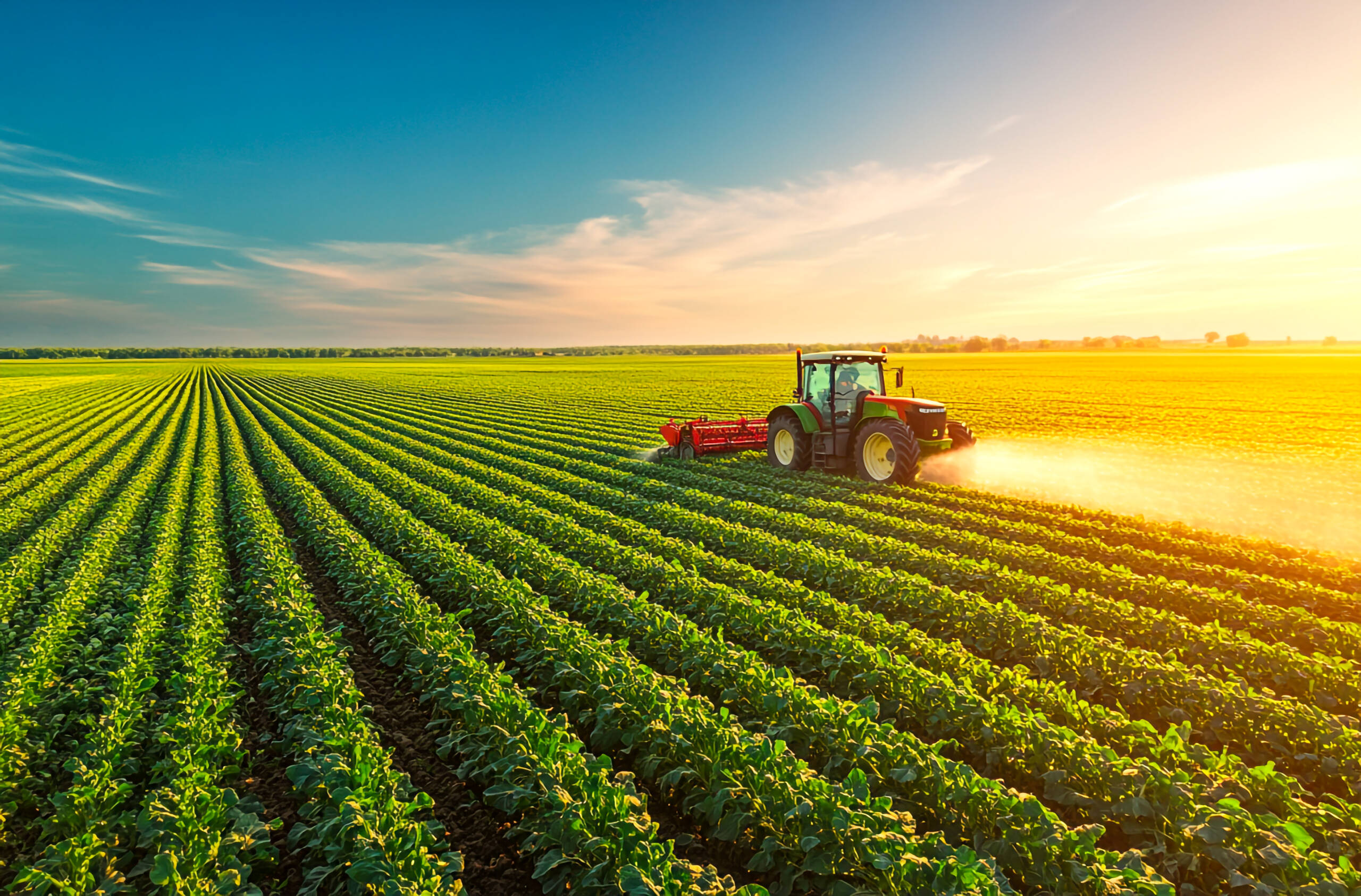
Agricultural risk management involves identifying, assessing, and mitigating uncertainties that can cause significant fluctuations in farm income and long-term sustainability. Because farming is uniquely dependent on natural and biological processes, it faces a complex landscape of interconnected risks ranging from volatile weather to global market shifts.
Core Types of Agricultural Risk
Agricultural risks are typically categorized into five primary areas:
- Production Risk: Uncertainty regarding crop yields and livestock productivity caused by weather, pests, diseases, and equipment failure.
- Price or Market Risk: Volatility in the prices farmers receive for their commodities and the prices they must pay for inputs like fertilizer or fuel.
- Financial Risk: Challenges related to the farm’s debt obligations, rising interest rates, and restricted access to credit.
Institutional Risk: Uncertainty resulting from changes in government policies, tax laws, environmental regulations, or international trade agreements. - Human or Personal Risk: Disruptions caused by labor shortages, health issues, or major life events (e.g., death, divorce) that affect management and continuity.

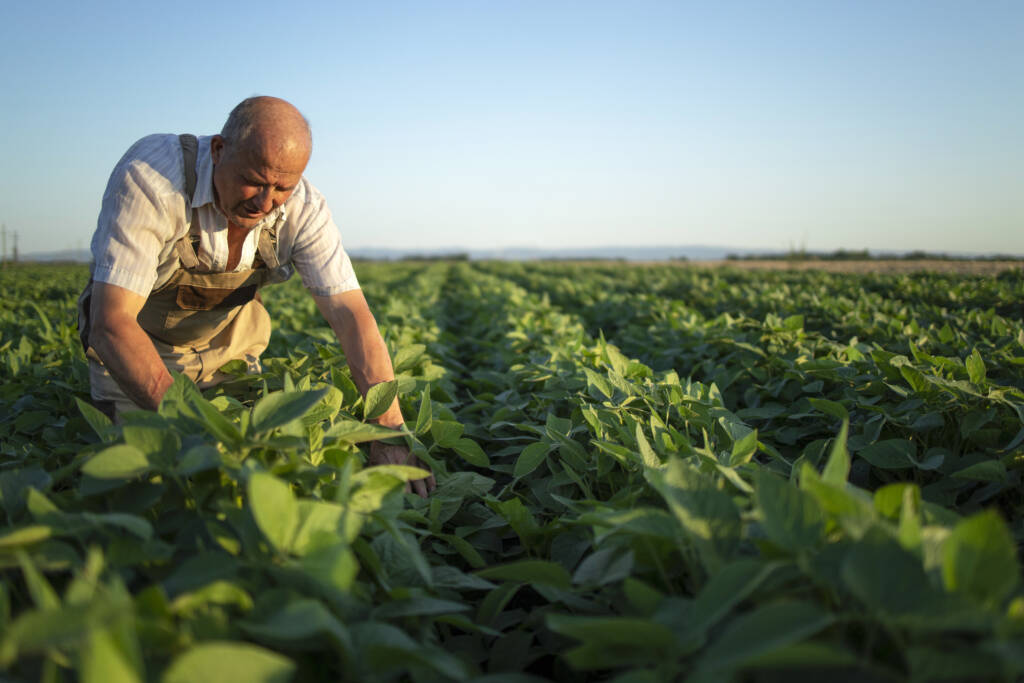
Our Strategies and Tools
- Our Farmers use a combination of on-farm practices and financial instruments to manage these risks:
- Diversification: Spreading risk by producing multiple types of crops or livestock to avoid total dependence on a single commodity.
- Insurance: Transferring financial risk to third parties through Federal Crop Insurance or private index-based products.
- Marketing Contracts: Using forward contracts or hedging via futures and options markets to lock in prices before harvest.
- Production Management: Adopting climate-smart practices, such as irrigation for drought mitigation or pest-resistant seed varieties.
- Liquidity Management: Maintaining cash reserves or off-farm income streams to buffer against unexpected losses.